Through Reading
The Best Age To Teach Reading
By Carolyn Caron and Cliff Ponder
Reading Instruction Specialists
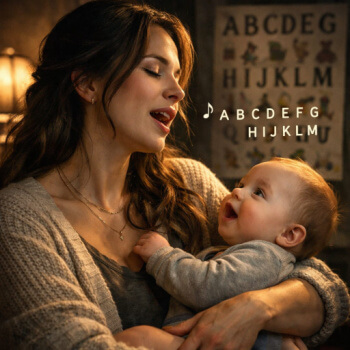
What’s the best age to teach reading? Brigett Pangkey coos softly to her four-month-old son, Skyler. But Pangkey isn’t really cooing; she’s saying the sounds the short vowels make - like the sound of the “a” in “at” and the “e” in “Ed.” Skyler occasionally responds with something akin to the vowel sounds, but otherwise his cooing is that of a normal four-month-old baby.
Is four months too young to start teaching your child to read? Pangkey, a Reading Instruction Specialist in Grand Terrace, California, doesn’t think so. As proof, she points to Skyler’s reaction when shown the covers of some of the dozens of books she has already read to him. His face lights up as he recognizes them, and he makes unmistakably happy sounds. Pangkey is determined to teach her son to read as soon as he is able, and is giving him what she considers a proper instruction right from the start.
Another mother, the assistant principal of a high school in the Midwest, who chooses to remain anonymous, kept her son, Nicholas, out of formal schooling until he was nine years old. That may seem strange for a public school administrator, but she insists it’s best for her child. When formal reading instruction finally began for him, Nicholas scored at the ninth-grade reading level after only 28 hours of comprehensive instruction.
For some time a well-coordinated effort has been underway nationally to encourage parents to enroll their children in preschool. Proponents of early classroom education, including California Governor Arnold Schwarzenegger, claim that children who attend preschool from an early age do better in school at every level. They also claim that it leads to improved social adjustment, higher academic achievement and even increased intelligence. As a result, enrollment at preschools is at an all-time high.
Early childhood education has always been a controversial subject. Some believe that children should be allowed to develop at their own pace, to “march to the sound of their own drum.” To them, forcing every child into a restrictive lock-step environment at an early age stifles the very creativity that schools have traditionally encouraged.
The Best Age To Teach Reading:
Every Child Must Learn To Read
Regardless of which option parents choose, learning to read is not an option. Children must learn to read. Reading is the very foundation of academic success. But agreement on the optimum age for beginning reading instruction is far from universal, so parents must decide when their children will begin formal training.
So how should parents determine the best age to start their child’s formal reading instruction? The following are a few factors to consider.

Childhood development generally proceeds within certain well-defined parameters which allow for a reasonable amount of diversity in individual learning speeds and styles. Until fairly recently, the prevailing thought was that children should begin learning to read at about six years of age, but lately that perception has been challenged as schools have pushed for lower and lower entrance ages. At least part of the rationale behind the push is due to the seemingly endless decline in literacy rates - perhaps if children start earlier, they will learn to read better.
Interests and temperament are major considerations. Are your children inquisitive and interested in their surroundings? Are they intrigued by new ideas? Do they exhibit a genuine interest in the stories you read to them? If the answer to most of these questions is yes, they are probably ready to begin learning to read regardless of age. Some four-year-olds simply cannot wait to learn to read, yet other eight-year-olds are not yet developmentally ready. Addressing the unique needs of each child can help to smooth the pathway to learning to read and deflect most of the problems which often plague beginning readers.
The health of the child is also important. If health problems interfere with their ability to learn, reading instruction may best be deferred until such time as greater energy is available. A chronically ill child sometimes uses all his or her energy in coping with the routine activities of life. Some children who are in poor health, however, exhibit a great interest in learning to read, sensing that it will open up the outside world and allow them to explore it vicariously. Let them learn.
When you believe your children are ready to read, search for a teacher or tutor who has an excellent track record in reading instruction. Keep searching for as long as it takes, for the child’s first teacher will influence them for the rest of their lives.
So read to your children. Show them that you are genuinely interested in the stories you read. And when they are ready to learn to read, if you have laid the proper groundwork, they will embrace reading as an old familiar friend.
The Best Age To Teach Reading:
Additional Comments
By Glenn and Diane Davis

The Puritans taught their children to read between the ages of 2 and 4. In many countries today, children are often not taught to read until they enter school between the ages of 5 and 7.
As Carolyn and Cliff mentioned above, every child is unique and must be considered individually, so there is no single best age to teach reading for every child. However, for most children, learning to read can and probably should happen before they enter school. For children who can sit and listen for short periods, a formal reading instruction session tailored to the child’s ability and attention level can be structured. For others, instruction can be informal, with bits of information presented in song or other entertaining ways throughout the day. Over time, a wise and patient parent may be able to have their child reading without the child even realizing it.
One reason why it is important, if possible, to have the child reading before school begins is that most schools use the wrong method of teaching reading. They may be great on other subjects, but their reading method actually hinders reading. If the child already knows how to read, then that difficulty is overcome.
So, how should a parent informally teach their child to read? A great way is for the parent to take the Read With Confidence Reading Course as if they were the student. They can then take careful notes during class, have the student’s materials for reference, and ask their Reading Instruction Specialist specific questions or “bounce” ideas off them. After a lesson, the parent can decide how much their child is ready for and how often to present the information. It may be only 5 minutes, casting the sounds or rules into a song, or just talking about it while playing. When done properly, reading is not difficult for most people. If the child is ready for more formal instruction, they can be enrolled in the program.
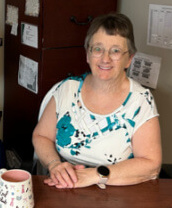
Diane Davis is a Reading Specialist focused on phonics instruction and helping parents support children as they learn to read. With more than 20 years of experience, she has helped over 100 students build stronger reading foundations and confidence. Readers are welcome to explore Diane’s testimonial page. In her free time, she enjoys reading Christian romance and suspense novels.