Through Reading
How To Teach The Alphabet
To Your Children
By Glenn and Diane Davis
Reading is a vital skill. Those words on paper can seem mysterious and daunting, yet they are made up of only 26 letters, making 44 sounds. The foundation of reading is knowing the letters and their sounds. Read With Confidence students must know their alphabet before beginning our program. We will teach them all the sounds and the rules for knowing when a letter will make a given sound. The following are some ideas to stimulate parents' ideas on how to teach the alphabet to their children.
How To Teach The Alphabet:
Read To Your Children

Children pick up on what is important to you very quickly. If books and reading are an essential part of your life, they will assume reading is important in life. Let them know you enjoy reading. Have books around. Build your own library and their library of age-appropriate books.
Take time from your busy day to sit down and read to them. This shows your children both that they are important to you and that reading is fun and valuable. Make it a relaxing time, a time they look forward to - not a time of angry words if they don’t sit quietly. Be relaxed and go with the flow. If you lose their attention, try again the next day with a different book.
You can read to them even when they are too young to understand what you are saying. They will know and appreciate your voice.
Choose books that are appropriate for their age and interest. Don’t choose books that talk down to children. Some children’s authors seem to write silly nonsense, thinking that is what children would like. If a book doesn’t hold your attention, it probably won’t hold your child’s attention either.
“The child as a reader is neither to be patronized nor idolized: we talk to him as man to man...we must of course try to do [children] no harm: we may, under the Omnipotence, sometimes hope that we may do them good. But only such good as involves treating them with respect.... Once in a hotel dining room, I said, rather too loudly, ‘I loathe prunes.’ ‘So do I,’ came an unexpected six-year-old voice from another table. Sympathy was instantaneous. Neither of us thought it funny. We both knew that prunes are far too nasty to be funny. That is the proper meeting between man and child as independent personalities.” C.S. Lewis quoted in Letters To Children, pg. 4
“I don’t think age matters so much as people think. Parts of me are still 12, and I think other parts were already 50 when I was 12.” C.S. Lewis quoted in Letters To Children, inside cover.
Also, be very attentive to the book's content. Even books for very young children often have hidden agendas and push sexual, political, and/or anti-religious viewpoints. Your child will believe what you tell him or her - make sure it is the truth and reflects your own moral choices.
Learn to turn off the TV! It dulls the imagination. Try to invest time in reading and do it at the same time every day [or week]. Consistency helps to build anticipation and excitement.
As children learn to love books, they will want to read and be excited about learning the alphabet so they can enjoy reading.
How To Teach The Alphabet:
Make It Fun To Learn
As mentioned above, when teaching the alphabet, make it fun. Lots of smiles and laughter - no frowns. Let your child know that this is the first exciting step toward learning to read on their own! You could have magnetic letters on the fridge and have them find certain letters. Paper cut-out letters on a tabletop can do the same thing. Sometimes you can find small blocks with the letters on them. Build a house or a wall, starting with the "A" block, then the "B" block, etc. Use your imagination! Play and have fun.
How To Teach The Alphabet:
Sing The Alphabet
One of the best ways of teaching the alphabet is to sing the alphabet song. Sing it as you go around the house, and get them to sing it with you. You will be surprised at how quickly they will know the entire alphabet in the correct order. Even if you sing off-tune [like me], it is still fun, and it will teach your child the alphabet. If your child has a favourite song, you may be able to sing the alphabet to that tune. Try it and have fun.
Hints In Teaching Reading



After you have finished teaching your child the alphabet, if you want to teach them to read yourself, keep these things in mind. Even if you would like them to take our Read With Confidence program, the more they know before they begin, the faster they are likely to progress. Remember, Read With Confidence is not tutoring, but an actual program with a beginning and an end.
Teach The Sounds
Teach your child the sounds of the letters and how to put them together to make words. The 26 letters of the English alphabet only make 44 sounds. Sixteen of the letters only make one sound. The other 10 letters make multiple sounds ["A" makes 9 sounds!] Teach the main sounds and any other ones you are aware of. We can do the rest. Never have them memorize the words. Always sound out the words. You will be teaching them a vital reading skill.
Motivational Keys
Star charts are an excellent tool for motivation. “KISS [Keep It Super Simple]” is a good guideline. Perfect-looking charts are not important to your child, but a small reward for a small success is. Dollar stores carry an abundance of inexpensive stickers. Use a variety of them, so there is always something new and different! If you are working with an older child, don’t assume that stickers are “beyond” them. They will appreciate them, too!
Make sure you use lots of praise. Encourage your child when they get it right. When they make a mistake, don’t correct them directly. Instead of saying, “That’s wrong,” try, ”You’re on the right track, but let’s try it this way.”
Teaching Time
How long should you teach? The answer depends on your child's age and attention span. Anywhere from 10 minutes to 1 hour at a time will work. Watch for signs of restlessness or inattention. This is a good clue that it is either time for a short break or to end the session for the day. Remember, you want to make this a fun time that they look forward to.
Try to keep your teaching at the same time each day. This establishes a routine and creates anticipation for the child. Turn off the TV and computer [good ideas at any time!] during your learning session. Soft background instrumental music is soothing and often mutes other distracting noises. Make sure you won’t be interrupted - let the answering machine/voice mail get the phone. This is a special time between you and your child.
Multiple Breaks
It is essential to know when to take a break from your reading teaching session. If your child becomes antsy or fidgety, stop and suggest an exercise, like jumping jacks. Do five with them; after all, they are reading with you!
About halfway through your session [if it is 20 minutes or more], take a 5-minute break for a special snack. This gives them something to look forward to and refreshes their minds for the last half of your session. Bathroom duty may also be needed.
As always, Read With Confidence is available to help your child learn to read. We are not a tutoring program but a complete course that will take your child from learning all the letter sounds to reading well in 60 hours, on average. Sign up for our comprehensive reading program now.
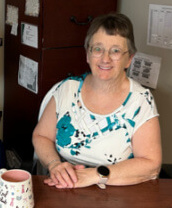
Diane Davis is a Reading Specialist focused on phonics instruction and helping parents support children as they learn to read. With more than 20 years of experience, she has helped over 100 students build stronger reading foundations and confidence. Readers are welcome to explore Diane’s testimonial page. In her free time, she enjoys reading Christian romance and suspense novels.