Through Reading
- Home
- FAQ
- Reading With Learning Disabilities
- Retraining the Brain
Retraining The Brain
By Glenn and Diane Davis
[If you purchase anything from this page, we may make a commission.]
Our brain is an amazing instrument. Even when damaged or not functioning correctly, it can often be retrained. Retraining the brain involves strengthening weak areas or developing new pathways to bypass damaged areas. One of the best ways to do this is through repetition.
This is great news for the many people who suffer from dyslexia. The common idea that people with dyslexia see letters and/or words backwards is not correct. That may be the case with some, but it is rare. The main problem people with dyslexia have is that the part of the brain that connects letters on the page to the sounds they are supposed to make is not functioning correctly. These people are often very smart in other areas.


"The research findings dealt with children who were severely dyslexic and reading well below age level. These children were given up to 80 hours of intervention, and after the intervention, it was found that their reading levels increased by approximately 2 years in every case. From a brain research perspective, their brain scans showed that their brains had been functionally reconstructed." David Halstead M.Ed from www.brainpowerlearning.com
This fits very well with the findings of Dr. Sally Shaywitz, M.D., in her book Overcoming Dyslexia. Dyslexia does not have to stop a person from becoming a good reader. What is very interesting is that many of the ways recommended by Dr. Shaywitz, for helping dyslexic children learn to read, are the same ways we, at Read With Confidence, use to teach every child - or adult - to read. This may be one reason why the Academic Associates program we use has a 98% success rate in teaching people who can speak English to read. We teach all the phonetic rules in a logical order and allow as much time as necessary for the student to learn to process and apply them. After completing our first lesson, every student will have read 300 words. For some, this is a major accomplishment of which they are justifiably proud.
Academic Associates founder Cliff Ponder deliberately designed his reading program to take advantage of the scientific discoveries of how the brain operates. Training the brain and retraining the brain that has been damaged use the same techniques, so there is no need to have separate programs. The major difference is that retraining the brain may take longer and require greater effort from the learner. Some people with brain damage may never become fluent readers, but if they can speak, they can learn to read at least at a basic level. What a joy it is to see people who have struggled with reading or, through an accident, have lost the ability to read, break through in reading accomplishments.
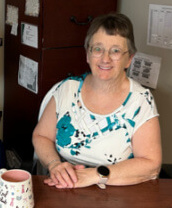
Diane Davis is a Reading Specialist focused on phonics instruction and helping parents support children as they learn to read. With more than 20 years of experience, she has helped over 100 students build stronger reading foundations and confidence. Readers are welcome to explore Diane’s testimonial page. In her free time, she enjoys reading Christian romance and suspense novels.