Through Reading
How Does Reading Help You?
By Glenn and Diane Davis
Reading is a skill we often take for granted, but its impact on our quality of life is amazing. You may be asking, “How does reading help you?” With video and audio being prominent, reading may seem obsolete in our modern age. Why read a book when you can listen to a dramatized audio version or watch a movie based on it? Even with the competition of audio and video, reading remains crucial.
So why does reading remain so important? Reading develops cognitive abilities, promotes critical thinking, boosts empathy, and provides a more in-depth source of knowledge and advice than is possible in other media. Books and articles are not just a way to get information but also a fundamental building block in forming our mindset and worldview. This will direct the course of our lives for better or worse. Books can be our best friends or worst enemies, depending on whether they are truthful. Reading and research help in our quest for Truth on which to build our lives.
How Does Reading Help You With Cognitive Benefits?

Let’s start with the cognitive aspects. Reading helps the brain’s ability to understand and process complex ideas. Much of what is shown in the media and taught in schools, including colleges and universities, programs people on what to think rather than helping them learn how to think. Through reading, a person can encounter different ideas, learn how to elevate them, and reach their own conclusions. It trains the mind to be more curious and conscious of the world. Questions pop up, we search for answers, and we don’t take things at face value. It’s like your brain going to the gym, but instead of lifting weights, you are lifting ideas. Developing this skill will enhance brain function and increase your reasoning abilities.
Reading also helps in language development and proficiency. It introduces unexpected vocabulary, challenging sentence structures and distinctive writing styles. The dictionary becomes our best friend as we look up unfamiliar words we find in books. We are then prepared to incorporate it into our vocabulary.
If you, your child or someone you know struggles with reading, the most likely reason is that they need to be taught by the correct method. Reading is a skill. Some people learn to read easily, no matter how they are taught, but many others require a logical, detailed approach to master this skill and enrich their lives. Our Reading Program takes students step by step through the process until they achieve mastery. Many students who have failed in other programs have succeeded in ours.
Does reading help you with more than academics? Biographies and autobiographies can help us empathize with other people. We can learn how others think and feel. We hurt with their pain and enjoy their successes. Even good fiction can transport us into another person’s shoes, opening up a new world with a new understanding. This gives us a better knowledge of human character, making us better listeners, communicators and people.
Fictional reading is a gateway to unstrained exploration, whether we are transported into the past or an imaginary future. Imaginary characters can stay with us long after turning the last page. Once you have read the books, who can forget Aslan, Ivanhoe, Katniss or a legion of others?
Reading promotes creativity. The more we read, the more we are exposed to different ideas, cultures, concepts and perspectives. This fuels our imagination and encourages us to think for ourselves and develop our own ideas and ways of doing things.
How Does Reading Help You With Mental Health?

Reading can significantly affect mental health, for better or worse. My father discovered that reading a novel about the Mau Mau Rebellion in Kenya was not the most comforting thing to do during his first missionary term there! But reading the right books at the right time can have a calming and stabilizing effect. They can help you reduce stress, improve your memory, and help you fall asleep.
Does reading help you sleep? The right kind of reading can help with sleep, especially with printed books, as the light from digital devices can sometimes stimulate the brain instead of relaxing it. Soft light, gentle music and a good book can help you melt away the cares of the day and prepare your mind and body for a good night’s sleep. The relaxing rhythms can help wash away the anxieties of the day.
Poor reading skills can lead to poor self-esteem, while reading well can build our self-confidence. We can also turn to motivational books to help us overcome the difficulties in our lives. Whatever we are facing, someone else has also faced it. We can learn and practice the principles of successful living.
How Does Reading Help You In Daily Life?
Those who read well often take it for granted. The skill becomes second nature. But for those who struggle with reading, navigating the world becomes a burdensome challenge, from reading medication labels to understanding bank statements. In self-defence, they try to develop ‘workarounds’ for reading contracts, understanding workplace instructions and other daily activities. For the vast majority of people, these difficulties are unnecessary. With an average of only 60 hours of instruction, we can have them reading proficiently and unlocking the wonderful world of words. We will take them through the five stages of reading so those scratches on paper can be decoded. Let us help. Contact us today. Then you will develop your own answer to the question: "How Does Ready Help You?"
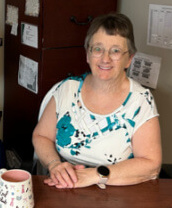
Diane Davis is a Reading Specialist focused on phonics instruction and helping parents support children as they learn to read. With more than 20 years of experience, she has helped over 100 students build stronger reading foundations and confidence. Readers are welcome to explore Diane’s testimonial page. In her free time, she enjoys reading Christian romance and suspense novels.